
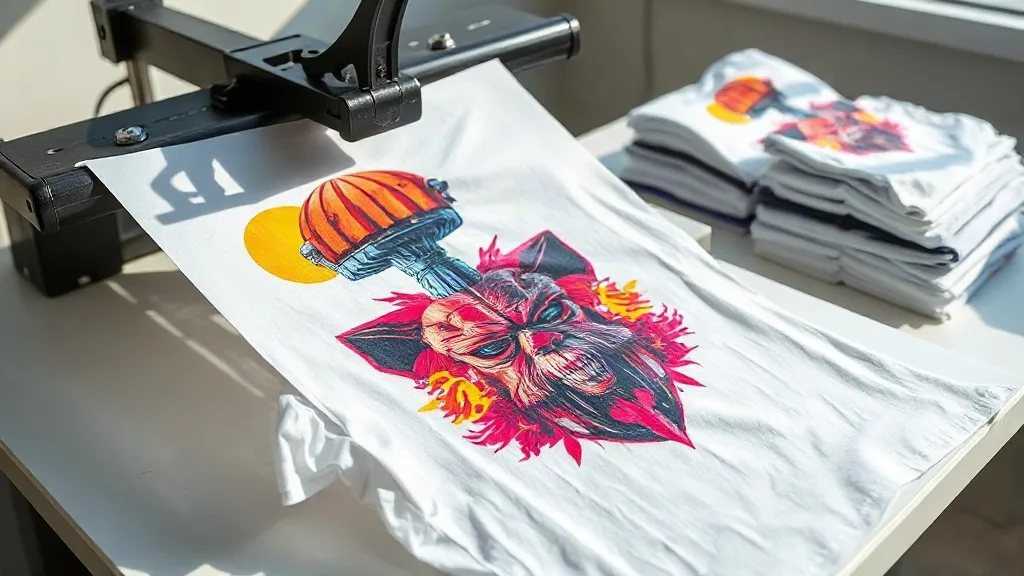
You've designed the perfect graphic, picked the right blank tee, and now you need it printed. If you're like many small business owners, crafters, or DIY enthusiasts, you've probably typed dtf transfers near me into Google hoping to find a local shop that can deliver vibrant, durable prints without the hassle of screen setup or minimum orders. But what does "near me" really mean in a world where online ordering can be just as fast and often more reliable? This guide will walk you through everything you need to know about sourcing DTF transfers, whether you choose a local supplier or an online one, and how to ensure you get the best results for your projects.
What Are DTF Transfers and Why They Matter
DTF, or Direct to Film, is a printing method where your design is printed onto a special film, coated with adhesive powder, and then heat-pressed onto fabric. Unlike DTG or screen printing, DTF works on almost any material, including cotton, polyester, blends, and even nylon. It's a game-changer for small businesses and hobbyists because it requires no minimum order, no setup fees, and produces bright, detailed prints that hold up wash after wash. The dtf transfers themselves are the printed films you receive, ready to be applied with a heat press.
Why People Search for DTF Transfers Near Me
The phrase dtf transfers near me is more than just a search query; it reflects a desire for convenience, speed, and sometimes the ability to see the product in person before committing. Local suppliers can offer same-day pickup, personalized service, and the chance to build a relationship with a printer who understands your needs. However, online suppliers have leveled the playing field by offering fast shipping, competitive pricing, and a wider range of options. The key is to know what to look for in either case.
Local Suppliers: Pros and Cons
Choosing a local DTF supplier means you can often get your transfers the same day, especially if you're in a pinch. You can also discuss your project face-to-face, which is helpful if you're new to DTF or have specific requirements. On the downside, local suppliers may have limited capacity, higher prices due to overhead, and a smaller selection of film types or finishes. Not every city has a dedicated DTF printer, so you might have to drive a bit to find one.
Online Suppliers: Pros and Cons
Online DTF suppliers, like those you'll find through a quick search for dtf transfers near me, often provide lower prices because they operate at scale. They usually have faster turnaround times for large orders and a broader range of products, including specialty films like glitter or glow-in-the-dark. The main drawback is the wait for shipping, though many offer expedited options. You also can't inspect the quality before ordering, so you'll need to rely on reviews and sample packs.
How to Evaluate a DTF Transfer Supplier
Whether you go local or online, quality should be your top priority. Here are the key factors to consider:
- Print Quality: Look for sharp details, vibrant colors, and smooth gradients. Poorly printed transfers may appear faded or pixelated. Request a sample if possible.
- Durability: A good DTF transfer should withstand at least 50 washes without cracking or fading. Ask about the ink and powder used, and whether they've tested washability.
- Film and Powder Quality: The film should be easy to peel (hot or cold) and the powder should adhere evenly. Cheap films can cause adhesive residue or poor transfer.
- Turnaround Time: If you need transfers quickly, confirm production and shipping times. Local pickup can save you days.
- Customer Service: Responsive support is crucial. A supplier who answers questions promptly and offers guidance is worth their weight in gold.
- Pricing: Compare costs per sheet or per linear inch, but don't sacrifice quality for a lower price.
Questions to Ask Before You Buy
When contacting a supplier, whether local or online, ask these questions to ensure you're getting what you pay for:
- What type of film do you use? (Cold peel vs. hot peel, matte vs. glossy)
- What is the recommended heat press temperature and pressure?
- How should I store the transfers before use?
- What is your return policy if the transfers are defective?
- Can you provide references or sample prints?
Local vs. Online: Making the Choice
If you need transfers immediately or prefer a hands-on approach, a local supplier is your best bet. Use search terms like dtf transfers near me and check Google Maps reviews. Visit the shop if possible to see samples. For larger orders, unique designs, or better pricing, an online supplier like DTF Maxi (dtfmaxi.com) can be a great option. They offer high-quality transfers with fast shipping and excellent customer service. Many online suppliers also provide design assistance, which is a bonus if you're not a graphic designer.
Tips for Getting the Best Results from Your DTF Transfers
Once you have your transfers, proper application is key. Always follow the supplier's instructions, but here are some general tips:
- Pre-press the garment to remove moisture and wrinkles.
- Use a heat press, not an iron, for consistent pressure and temperature.
- Press at 300-320°F (150-160°C) for 10-15 seconds.
- Peel the film while hot or cold, depending on the film type.
- Post-press with a Teflon sheet or parchment paper for 5 seconds to enhance durability.
Common Mistakes to Avoid
Even experienced crafters make mistakes with DTF. Avoid these pitfalls:
- Pressing on a damp garment, which can cause the transfer to peel.
- Using too much pressure, which can cause the image to spread.
- Peeling the film too early or too late, leading to incomplete transfer.
- Storing transfers in a humid environment, which can affect adhesion.
Frequently Asked Questions
How do I find reliable DTF transfers near me?
Search online for "dtf transfers near me" and read reviews on Google and social media. Ask local crafters for recommendations. If you can't find a local supplier, consider reputable online stores like DTF Maxi that offer fast shipping and quality guarantees.
Can I use DTF transfers on dark fabrics?
Yes, DTF transfers work beautifully on dark fabrics because the white ink layer provides a bright base. Just ensure the transfer is applied correctly to avoid a dull appearance.
What is the difference between hot peel and cold peel DTF transfers?
Hot peel transfers are peeled immediately after pressing while still hot, which is faster but requires care. Cold peel transfers must cool completely before peeling, offering a more forgiving process. Both yield excellent results if instructions are followed.
How long do DTF transfers last?
With proper application and care, DTF transfers can last as long as the garment, often 50+ washes. Avoid ironing directly over the print and wash inside out in cold water.
Do I need a special printer to make DTF transfers?
Yes, DTF requires a specialized printer and powder shaker. However, you can purchase ready-made transfers from suppliers, which is more cost-effective for small businesses.