
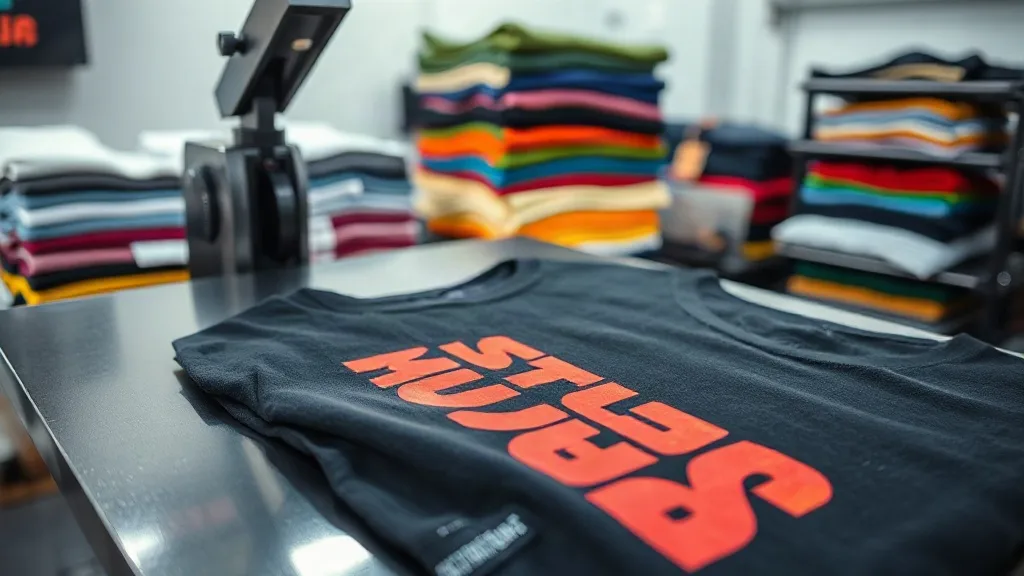
When you pull a freshly printed shirt from the press, the last thing you want is a design that cracks after two washes. The blank you choose matters as much as the print itself. shaka wear has built a reputation among print shops for heavyweight, durable blanks that hold up to the demands of DTF printing. In this guide, we'll explore why these blanks are a smart choice for DTF, how to prep them properly, and how to avoid common pitfalls that ruin print quality.
Why Shaka Wear Blanks Work Well with DTF
DTF printing relies on a adhesive powder and a heat press to bond ink to fabric. The blank's weave, weight, and fiber content all influence how well that bond holds. Shaka Wear blanks, particularly their heavyweight cotton tees, offer a tight knit that prevents ink from bleeding and provides a smooth surface for detailed transfers. Their consistent fabric thickness also means fewer press marks and better color vibrancy.
Another advantage is shrinkage control. Cheap blanks often shrink unevenly after the first wash, distorting the print. Shaka Wear's blanks are pre-shrunk and hold their shape, so your customers get a print that looks as good as the day it was pressed.
Choosing the Right Shaka Wear Blank for Your Project
Not all Shaka Wear blanks are identical. The line includes different weights, fits, and blends. For DTF, you'll want to match the blank to the design and the end use.
Weight and Fabric Considerations
Heavier fabrics (5.5 oz and up) provide a better canvas for DTF because they can handle the heat and pressure of the press without scorching. Lighter blanks may require lower temperatures or shorter press times to avoid damaging the fabric. Shaka Wear's heavyweight tees are ideal for bold, large designs, while their midweight options work well for all-over prints or when a softer hand feel is desired.
Color and Print Contrast
DTF prints are opaque, but the blank color still affects the final look. White or light blanks make colors pop, while dark blanks can mute certain hues unless you use a white underbase. Shaka Wear offers a wide range of colors, so you can experiment with different combinations. For the best results, always test print on the actual blank color you plan to use.
Preparing Shaka Wear Blanks for DTF Printing
Proper preparation is key to a long-lasting print. Follow these steps to ensure your Shaka Wear blank is ready for DTF.
- Pre-press the blank: Before applying the transfer, press the blank for 5-10 seconds to remove moisture and wrinkles. This step is often overlooked but can prevent bubbling and poor adhesion.
- Use a heat press, not an iron: DTF requires consistent temperature and pressure. A heat press ensures even application, while an iron can't provide the necessary pressure.
- Check the fabric content: Shaka Wear blanks are mostly 100% cotton, which handles DTF well. However, if you're using a blend with polyester, adjust temperature and time accordingly to avoid dye migration.
- Clean the surface: Lint or dust can cause the transfer to peel. Use a lint roller before pressing.
DTF Printing Workflow with Shaka Wear Blanks
Once your blank is prepped, the printing process follows standard DTF steps. But there are a few nuances when working with Shaka Wear's heavier fabrics.
Press Settings for Heavyweight Blanks
For Shaka Wear's heavyweight tees, set your press to 320°F (160°C) and use medium to firm pressure. Press the transfer for 10-15 seconds, then peel the film while hot or cold, depending on the film type. Always follow the transfer manufacturer's recommendations. Because the fabric is thick, you may need to increase pressure slightly to ensure the ink penetrates the fibers.
Using a DTF Gangsheet Builder for Efficiency
If you're producing multiple shirts, a DTF Gangsheet Builder can streamline your workflow. This tool lets you arrange multiple designs on a single sheet, maximizing your transfer film usage and reducing waste. With Shaka Wear blanks, you can print a variety of sizes and designs in one go, then press them as needed. This is especially useful for small batches or custom orders.
Avoiding Common DTF Issues on Shaka Wear Blanks
Even with quality blanks, problems can arise. Here's how to troubleshoot the most common DTF issues.
- Peeling after wash: This usually indicates insufficient pressure or incorrect powder application. Ensure your press is applying even pressure and that the adhesive powder is fully melted.
- Faded colors: Over-pressing or using too high a temperature can degrade the ink. Check your press settings and avoid pressing for longer than recommended.
- Stiff hand feel: DTF prints can feel stiff if too much powder is used. Use a light dusting of powder and shake off excess before curing.
- Dye migration: On polyester blends, dyes can bleed into the print. Use a low-bleed powder or a barrier sheet.
Care Instructions to Share with Your Customers
To ensure the print lasts, advise customers to wash the garment inside out in cold water and tumble dry low. Avoid ironing directly on the print and refrain from using bleach or fabric softener. With proper care, DTF prints on Shaka Wear blanks can withstand dozens of washes without cracking or fading.
Frequently Asked Questions
Can I use DTF printing on all Shaka Wear blanks?
Yes, DTF works on most Shaka Wear blanks, but adjust press settings for different fabric weights and blends. Always test a sample first.
How do I prevent scorching on Shaka Wear's heavyweight cotton?
Use a Teflon sheet or parchment paper between the press and the transfer, and keep the temperature at or below 320°F (160°C). Pre-pressing the blank also helps remove moisture that can cause scorching.
What's the best way to store DTF transfers before pressing?
Store them in a cool, dry place away from direct sunlight. Keep them flat to avoid creasing, and use them within a few weeks for best results.
Do I need a special heat press for Shaka Wear blanks?
Any heat press that reaches 320°F and provides consistent pressure will work. A clamshell or swing-away press is fine, but ensure the platen is large enough for your designs.
How can I make my DTF prints last longer on Shaka Wear shirts?
Proper prep, correct press settings, and customer care instructions are key. Also, use high-quality transfer film and powder, and avoid over-stretching the print when wearing.