
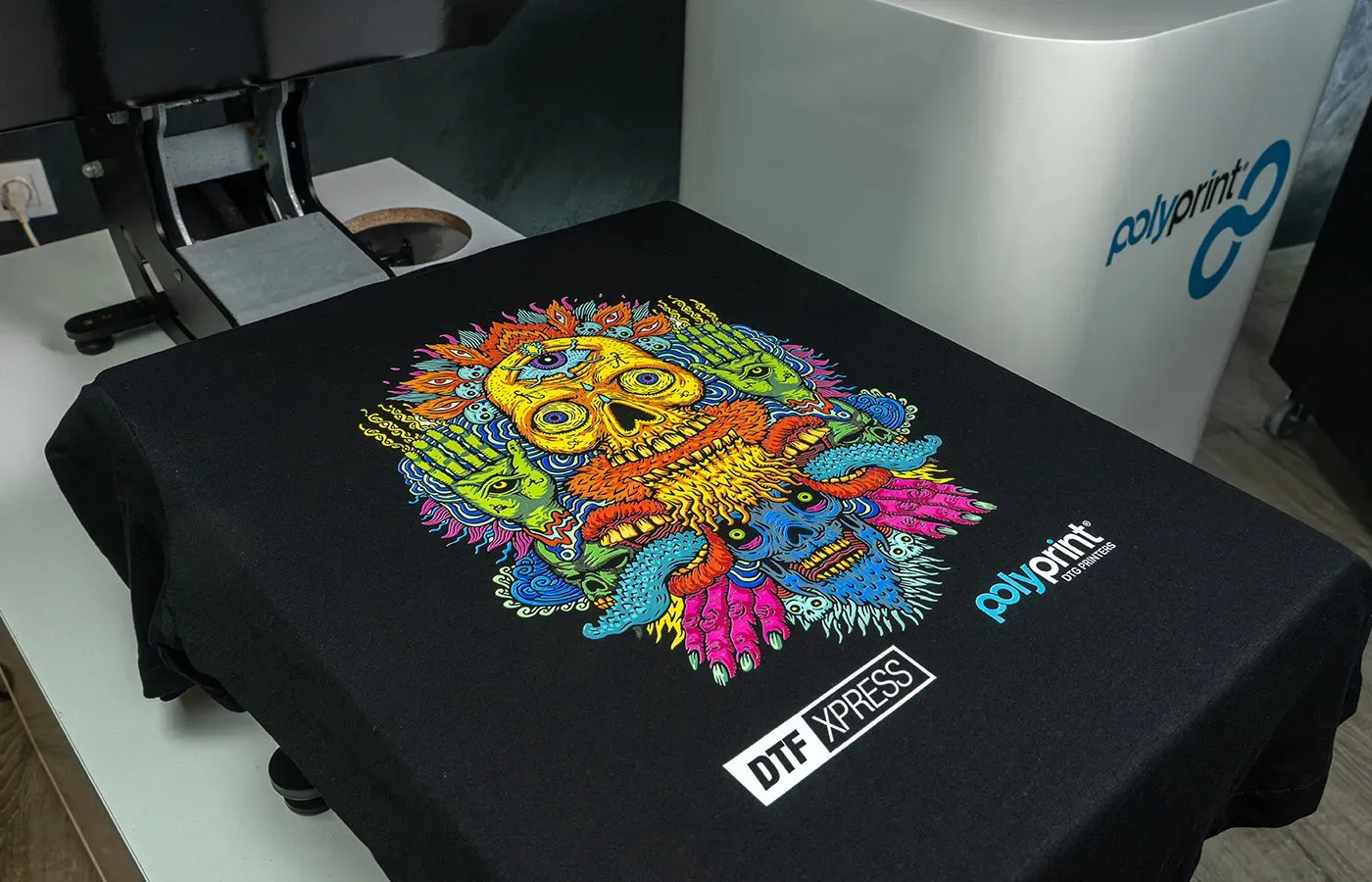
DTF printing for beginners offers an exciting entry point into the world of custom apparel and fabric decoration. This modern printing technique, known as Direct to Film printing, is gaining traction among enthusiasts and entrepreneurs alike due to its high-quality output and versatility. By grasping the DTF printing process, newcomers can explore various design possibilities and expand their creativity in the textile industry. With numerous advantages, including vibrant colors and suitability for different fabric types, understanding how to DTF print becomes essential for those looking to make their mark. This beginner guide to DTF printing will walk you through everything you need to get started, from necessary equipment to helpful tips for achieving stunning results.
For those new to the field of fabric printing, Direct to Film (DTF) printing represents a revolutionary approach to transferring designs onto textiles. Often compared to other traditional printing methods, DTF provides superior quality and flexibility, making it a favored choice for many. By utilizing a specialized DTF printing process, beginners can produce impressive artwork with relative ease. As you embark on this journey, familiarizing yourself with the essential DTF printing equipment and techniques will be crucial in setting a solid foundation for your creative endeavors. This tutorial aims to serve as a comprehensive introduction, ensuring that anyone can grasp the fundamentals of this captivating printing method.
Understanding the DTF Printing Process for Beginners
DTF printing is a modern printing technique that allows for the transfer of intricate designs onto fabrics via a specialized process. For beginners eager to dive into this world, it is important to grasp the essential stages of DTF printing, which begin with the preparation of the design, followed by printing it onto a film. This film is then sprinkled with an adhesive powder before being heat cured, preparing it for the final, crucial step: heat transfer onto the fabric. Each of these steps is vital and requires precision to ensure that the result is a high-quality print that will adhere to the fabric reliably.
Moreover, understanding the mechanics of the DTF printing process is key for beginners who wish to excel. By utilizing graphic design software like Adobe Illustrator or CorelDRAW, users can create or edit their designs to ensure they fit perfectly on the transfer film. Once the designs are ready, the special DTF printer prints them using vibrant inks specifically formulated for this technique, ensuring that colors are vivid and bold. Following this meticulous process closely will ease beginners into fabric printing, setting them up for success.
Essential Equipment for DTF Printing
Getting started with DTF printing requires a few essential pieces of equipment that are crucial for producing quality prints. The primary component is a DTF printer, which is specially designed to use specialized inks that result in optimal adhesion and color vibrancy on fabric. Beginners may opt for a modified inkjet printer or invest in a dedicated DTF printer, ensuring that it is capable of handling the size and resolution required for their projects.
In addition to a printer, specialized inks and transfer films are critical to the DTF process. High-quality DTF inks enhance adherence to the film and ensure that prints withstand washing and wearing. Alongside this, powder adhesive and a reliable heat press machine are necessities; the adhesive is crucial for bonding the design to the fabric during the transfer, and the heat press needs to provide the right pressure and temperature to make a successful transfer. Understanding these equipment requirements will make the transition into DTF printing smoother for beginners.
Exploring the Advantages of DTF Printing
DTF printing boasts a range of advantages that appeal to both novice and experienced printers alike. One of the most significant benefits is the high-quality results it delivers; colors are not only vibrant but also durable, making designs stand out in a competitive market. This printing method allows for the flexibility to print on various materials, including cotton and polyester, which is a massive advantage for those looking to diversify their product offerings. Beginners will appreciate this versatility, as it enables them to experiment with different fabrics.
Another major advantage of DTF printing is its reduced setup time compared to other traditional printing techniques, such as screen printing. For newcomers in the industry, this means less time spent preparing equipment and more time creating and fulfilling orders. The user-friendly nature of DTF printer setups reduces the intimidation factor often associated with starting a new printing venture. Beginners can easily leverage these advantages to jumpstart their custom apparel business.
Common Challenges in DTF Printing and Tips to Overcome Them
While DTF printing comes with numerous advantages, beginners may face a few challenges as they learn the ropes. One primary issue is achieving consistent quality across different prints. Since various factors, such as ink application, temperature, and pressure settings all come into play during the printing process, beginners must experiment to find the right balance that produces optimal results. Keeping detailed records about settings and techniques that yield successful prints can greatly aid learners.
To overcome difficulties, beginners should also take advantage of the wealth of online resources, including tutorials, forums, and community groups dedicated to DTF printing. Engaging with experienced printers can provide valuable insights and troubleshooting advice. Newcomers should not hesitate to reach out and ask questions; the DTF printing community is generally supportive and eager to assist those just starting out.
Getting Started with DTF Printing: A Step-by-Step Guide
For those eager to embark on their DTF printing journey, it helps to follow a step-by-step guide that outlines the entire process. Begin by conceptualizing your design using graphic design software, ensuring it meets the specific requirements for DTF printing. After finalizing the design, the next step is to print it onto the transfer film using specialized DTF inks. Attention to detail during this phase greatly affects the quality of the final product.
Once the design is printed, sprinkle the wet ink with powder adhesive to prepare it for curing. Utilizing a heat press correctly is key; set it to recommended temperature and pressure levels to ensure an effective transfer. By following these steps with diligence and focus, beginners can effectively navigate the initial challenges of DTF printing and create stunning custom apparel.
Recommended Resources for Aspiring DTF Printers
Venturing into DTF printing can be greatly supported by tapping into various quality resources available online. Websites like Printful and Ryonet provide a wealth of information, including comprehensive guides and tutorials tailored to beginners. These platforms often update their content, keeping users informed about the latest technologies and best practices in DTF printing.
YouTube is another invaluable resource for aspiring DTF printers. Numerous creators offer visual tutorials, tips from personal experiences, and troubleshooting techniques that can assist beginners facing common challenges. Engaging with these informative sources will ensure that newcomers are equipped with the knowledge and skills to navigate their DTF printing journey successfully.
Frequently Asked Questions
What is the DTF printing process for beginners?
The DTF printing process for beginners involves several key steps: creating a design using graphic software, printing it onto a special transfer film with DTF-specific inks, applying a powder adhesive to the wet ink, curing the adhesive with a heat press, and finally heat transferring the design onto fabric. This method is user-friendly and allows for vibrant and high-quality printed designs.
What are the advantages of DTF printing for beginners?
DTF printing offers several advantages for beginners, including high-quality results with vibrant colors, the ability to print on various materials like cotton and polyester, and reduced setup time compared to traditional screen printing. These features make DTF printing an accessible option for those new to the custom apparel industry.
How to DTF print effectively as a beginner?
To DTF print effectively as a beginner, start by familiarizing yourself with the necessary equipment, including a DTF printer, specialized inks, transfer film, powder adhesive, and a heat press. Follow the printing process closely, ensuring proper setup and temperature settings, and practice consistently to improve your results.
What DTF printing equipment do beginners need?
Beginners need several essential pieces of DTF printing equipment: a DTF-specific printer capable of high-quality outputs, DTF inks for vibrant colors, transfer film to hold the designs, powder adhesive for bonding the ink to fabric, and a reliable heat press to ensure successful transfers.
What is a beginner guide to DTF printing?
A beginner guide to DTF printing includes understanding the basic components required, such as the printer, inks, and heat press. It outlines the DTF printing process step-by-step, from design creation to heat transfer, while also providing tips on sourcing reliable materials and troubleshooting common issues.
Are there specific challenges in DTF printing for beginners?
Yes, some challenges in DTF printing for beginners include the learning curve associated with mastering the transfer process and the initial investment cost for the necessary equipment and materials. However, with practice and access to helpful resources, these challenges can be effectively managed.
| Key Components | Description |
|---|---|
| Equipment Needed | Printer, specialized inks, transfer film, powder adhesive, heat press. |
| The Printing Process | 1. Design Creation, 2. Printing, 3. Applying Adhesive, 4. Curing with Heat, 5. Heat Transfer. |
| Advantages | High-quality results, versatility across materials, reduced setup time. |
| Disadvantages | Initial investment costs and a learning curve for new users. |
Summary
DTF printing for beginners offers a revolutionary method for creating custom apparel and goods with impressive vibrant designs. This modern printing technique allows new entrants to easily transfer their intricate designs onto various fabric types while minimizing setup time compared to traditional methods. As you embark on your DTF printing journey, investing in the right equipment and continually seeking knowledge through online resources will enhance your proficiency. With practice and creativity, beginners can harness the full potential of DTF printing and open doors to exciting opportunities in fabric decoration.