
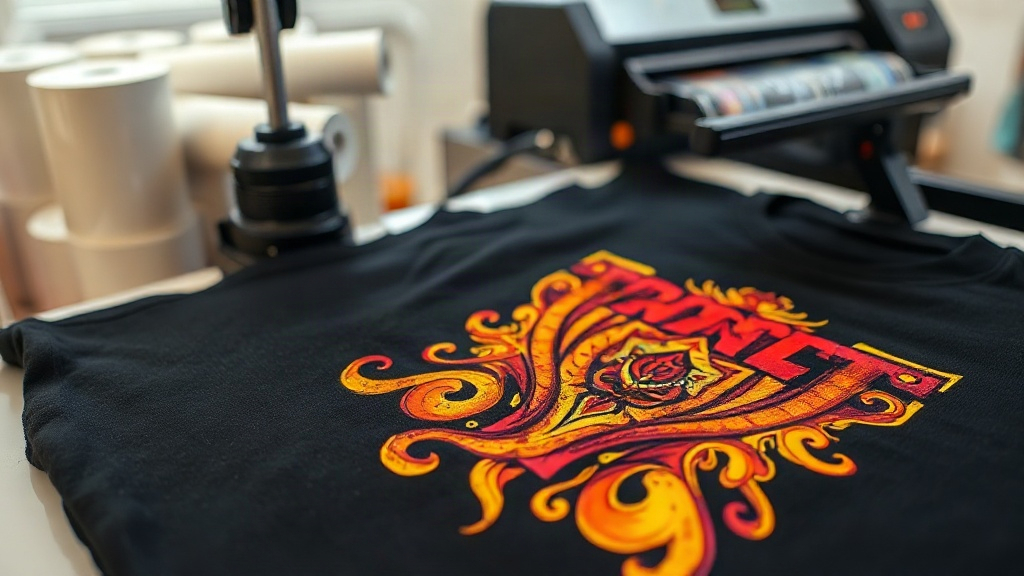
If you've been in the custom apparel game for any length of time, you've likely heard the buzz around DTF Transfers. This innovative printing method is quickly becoming a favorite among screen printers, crafters, and business owners who want to add vibrant, long-lasting designs to t-shirts, hoodies, and more. But what exactly are DTF transfers, and why are they causing such a stir? In this guide, we'll dive deep into the world of DTF transfers, covering everything from the process to the benefits, and even some expert tips to help you get started. Whether you're a seasoned pro or just curious about the latest trends, this article will give you the knowledge you need to decide if DTF transfers are right for your next project.
What Are DTF Transfers?
DTF stands for Direct to Film. It's a printing technology where a design is printed onto a special film, coated with a powder adhesive, and then heat-pressed onto a garment. Unlike DTG (Direct to Garment) printing, which prints directly onto the fabric, DTF transfers allow you to print on a wide range of materials, including cotton, polyester, blends, and even leather. The process is relatively simple: you print your design onto the film using a DTF printer, apply the adhesive powder while the ink is still wet, cure the film, and then transfer it to your substrate with a heat press. The result is a durable, stretchable, and vibrant print that can withstand repeated washing.
How DTF Transfers Work: Step by Step
Understanding the DTF transfer process can help you appreciate why it's so effective. Here's a breakdown of each stage:
1. Design Preparation
First, you'll need a digital design. Most DTF printers come with RIP software that allows you to adjust colors, mirror the image, and set the white ink layer. The white ink is crucial because it acts as a base, making the colors pop on dark garments. Without it, your design would appear dull or invisible on black or navy shirts.
2. Printing onto Film
The printer lays down the design onto a PET film. The film is coated with a release agent so the ink can be transferred later. The printer uses CMYK inks plus white, and sometimes additional colors like fluorescent or metallic for special effects.
3. Powder Adhesive Application
While the ink is still wet, a fine thermoplastic powder is sprinkled over the film. The powder sticks to the wet ink and will later melt to form a strong bond with the fabric. Excess powder is shaken off.
4. Curing
The film is then placed in a curing oven or under a heat source to melt the powder. This step is critical: under-curing leads to poor adhesion, while over-curing can cause the film to warp. Most manufacturers provide specific temperature and time guidelines.
5. Heat Press Transfer
Finally, the cured film is placed on the garment and heat-pressed. The heat and pressure release the design from the film and bond it to the fabric. After pressing, you peel off the film (hot or cold peel depending on the film type), leaving a soft, flexible print.
Why Choose DTF Transfers? Key Benefits
DTF transfers offer several advantages that make them a standout choice for custom apparel:
- Versatility: Works on almost any fabric, including cotton, polyester, blends, and even treated leather. No need for different inks or pretreatments like DTG.
- Vibrancy and Detail: Produces high-resolution, full-color prints with fine details and gradients. The white ink base ensures bright colors on dark garments.
- Durability: The prints are stretchable and resistant to cracking, peeling, and fading. With proper care, they can last as long as the garment itself.
- Cost-Effective for Short Runs: Unlike screen printing, which requires setup costs per color, DTF transfers are economical for small batches and one-offs.
- No Weeding or Cutting: Unlike vinyl, there's no tedious weeding process. Just print, powder, cure, and press.
- Soft Hand Feel: Modern DTF films and powders produce a soft, flexible print that doesn't feel like a plastic patch.
DTF vs. Other Printing Methods
How does DTF stack up against other popular decoration methods? Let's compare:
DTF vs. DTG
DTG prints directly onto the garment, which limits it mostly to cotton and requires pretreatment. DTF can be used on more fabrics and often has a lower cost per print for small runs. However, DTG may have a slightly softer feel on 100% cotton.
DTF vs. Screen Printing
Screen printing is king for large orders with few colors, offering the lowest cost per unit at high volumes. But it's not practical for complex, multi-color designs or small batches. DTF excels in those areas, with no color limitations and no setup fees.
DTF vs. Vinyl (HTV)
Heat transfer vinyl requires cutting and weeding, which is time-consuming and limited to simple designs. DTF allows full-color, photographic-quality prints without the labor. Vinyl can be more durable for single-color text, but DTF is more versatile overall.
Getting Started with DTF Transfers: Tips for Success
If you're ready to dive into DTF, here are some practical tips to ensure great results:
- Invest in Quality Equipment: A reliable DTF printer, shaker, and heat press are essential. Brands like Epson and Ricoh are popular for conversions, but dedicated DTF printers from companies like Mutoh or Roland are also options.
- Use Compatible Supplies: Not all films and powders are created equal. Choose high-quality DTF film and adhesive powder from reputable suppliers to avoid adhesion issues.
- Master the Curing Process: Follow the manufacturer's guidelines for curing temperature and time. An infrared thermometer can help you verify the film reaches the right temperature.
- Test Your Press Settings: Each heat press is different. Experiment with pressure, temperature, and time to find the sweet spot for your garments. A common starting point is 325°F for 10-15 seconds with medium pressure.
- Handle with Care: After pressing, let the garment cool before peeling the film (for cold peel) or peel immediately (for hot peel). Follow the film's instructions.
- Wash Inside Out: To prolong the life of your DTF prints, advise customers to wash inside out in cold water and avoid ironing directly on the design.
Common Applications of DTF Transfers
DTF transfers are used in a variety of settings, from small home businesses to large commercial operations. Popular applications include:
- Custom t-shirts for events, teams, and brands
- Personalized hoodies and sweatshirts
- Tote bags and aprons
- Uniforms for schools and businesses
- Promotional merchandise
- Fashion apparel with intricate designs
The possibilities are nearly endless because DTF can handle complex artwork and a wide range of fabrics.
Frequently Asked Questions About DTF Transfers
How long do DTF transfers last?
With proper application and care, DTF transfers can last for years. They are resistant to cracking and fading, and typically outlast the garment itself. Washing inside out and avoiding high heat will maximize longevity.
Can I use DTF transfers on dark shirts?
Absolutely. DTF transfers include a white ink layer that acts as a base, so colors remain vibrant on dark fabrics. This is one of the key advantages over DTG, which may require pretreatment and still struggle with dark colors.
Do I need a special printer for DTF?
Yes, you need a DTF printer that uses DTF inks and can handle PET film. Many people convert Epson printers, but dedicated DTF printers are also available. The printer must be capable of printing white ink.
What is the difference between hot peel and cold peel DTF film?
Hot peel film allows you to remove the transfer immediately after pressing while it's still hot, which speeds up production. Cold peel film requires you to wait until the transfer cools completely before peeling. Both yield excellent results, but hot peel is often preferred for efficiency.
Can I layer DTF transfers?
Yes, you can layer DTF transfers to create multi-color or multi-design effects. Press the first transfer, let it cool, then press the second on top. Just ensure you follow the pressing instructions for each layer.
DTF transfers are a game-changer for anyone in the custom apparel industry. With their versatility, durability, and vibrant results, they offer a compelling alternative to traditional printing methods. Whether you're just starting out or looking to expand your offerings, DTF transfers are worth exploring. At DTFMaxi, we provide high-quality DTF supplies and equipment to help you succeed. Visit our site to learn more and get started today.